
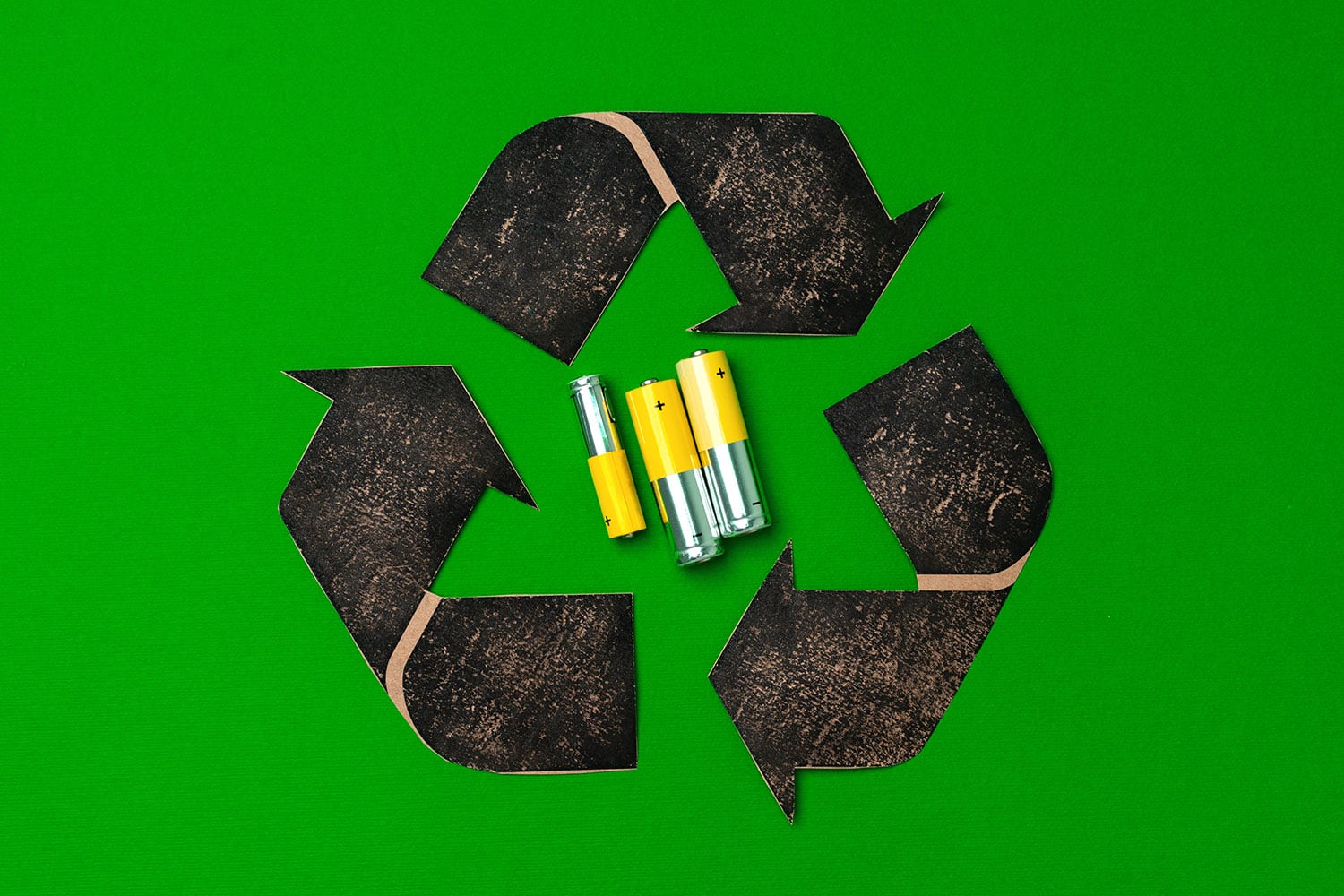
More businesses are using industrial batteries, electric vehicles (EVs), and battery energy storage systems (BESS). Responsible battery management is becoming more important. These batteries power critical equipment, but they eventually reach the end of their useful lives. When that happens, companies must decide how to manage them safely.
Battery recycling recovers valuable materials, reduces waste, and limits environmental risks. It also supports a more sustainable supply chain by making recovered resources available for future use.
Renewance helps businesses manage industrial batteries throughout their lifecycle, from installation and operation to decommissioning. Our lifecycle management services and software support responsible battery stewardship.
Battery Recycling Meaning
Battery recycling is the process of collecting used batteries and recovering reusable materials. Instead of sending batteries to landfills, qualified recycling facilities separate and process their components.
Depending on the battery type, recovered materials may include:
- Lithium
- Nickel
- Cobalt
- Copper
- Aluminum
- Lead
These resources can be refined and returned to manufacturing supply chains, reducing the need for some newly mined materials.
Recycling also helps businesses manage batteries that contain hazardous materials or pose fire risks.
However, recycling is only one possible end-of-life option. Some batteries may qualify for repair, reuse, or repurposing. The right approach depends on the battery's condition and intended use.
What Types of Batteries Can Be Recycled?
Different batteries contain different materials and require specific recycling methods. Battery chemistry, size, and condition help determine how each battery should be handled.
Lithium-Ion Battery Recycling
Lithium-ion batteries power electric vehicles, industrial equipment, and large energy storage systems. They contain valuable materials that specialized facilities can recover through lithium-ion battery recycling.
Large batteries require careful handling because damaged cells can overheat or catch fire. Proper packaging and transportation are essential throughout recycling.
Lead-Acid Battery Recycling
Lead-acid batteries are commonly used in vehicles, industrial equipment, and backup power systems.
During recycling, facilities separate materials such as lead and plastic for further processing. Recovered lead can then be used to manufacture new batteries.
Because these batteries contain lead and corrosive electrolytes, qualified professionals must handle them carefully to reduce health and environmental risks.
How Does the Battery Recycling Process Work?
The battery recycling process involves several stages, from initial evaluation to material recovery. Each step helps manage safety risks and supports responsible resource use.
1. Battery Collection and Assessment
The process begins with collecting batteries and identifying their chemistry, size, and condition.
Qualified professionals may assess battery health and remaining capacity to determine whether recycling is the best option.
Damaged or defective batteries require special attention because they may present additional safety risks. Early assessment helps identify handling needs before transportation or processing begins.
2. Safe Battery Decommissioning and Transportation
Industrial batteries and BESS installations often require professional decommissioning before recycling.
Qualified technicians may shut down systems, disconnect electrical components, and prepare batteries for removal.
Batteries must then be packaged and transported in accordance with applicable regulations. Requirements depend on battery chemistry and condition.
For large installations, careful planning reduces delays, controls risks, and supports regulatory compliance.
3. Battery Disassembly and Material Separation
At specialized recycling facilities, batteries undergo processing to separate recoverable materials.
Depending on the battery type and facility, this may involve disassembly, shredding, and mechanical sorting.
Lithium-ion battery processing can produce black mass, which contains valuable components from battery electrodes.
Further treatment helps separate these materials for recovery and refining.
4. Recovering Valuable Battery Materials
Recycling facilities use different methods to recover metals and other useful materials.
Hydrometallurgy uses chemical solutions to separate and recover metals from processed battery materials.
Pyrometallurgy uses high temperatures to recover certain metals. The best method depends on battery chemistry, available equipment, and recovery goals.
Some facilities combine several methods to improve material recovery.
5. Returning Recovered Materials to the Supply Chain
After processing, recovered materials may require further refining before manufacturers can reuse them.
These resources can support new battery production and other industrial applications.
Returning useful materials to manufacturing helps build a circular battery supply chain, where valuable resources remain in use rather than becoming waste.
Why Is Battery Recycling Important?
Responsible battery recycling delivers environmental, safety, and resource-management benefits. It helps businesses address the risks of improper disposal while recovering materials for future use.
Environmental Protection and Resource Recovery
Recycling reduces the amount of valuable battery material entering waste streams.
Recovering metals can also reduce demand for newly extracted resources. Depending on the process, recycled materials may require less energy to produce than materials from raw sources.
Battery Safety and Regulatory Compliance
Improper battery handling can lead to fires, chemical exposure, and environmental contamination.
Businesses must follow applicable regulations governing battery storage and waste management.
Working with qualified recycling partners helps organizations manage these requirements and maintain documentation throughout the process.
When Should Industrial Batteries Be Recycled?
A battery that no longer meets its original performance requirements may still have useful life remaining.
Battery health assessments and remaining capacity can help determine whether repair, reuse, or repurposing is practical.
Recycling becomes an appropriate choice when batteries are no longer safe, useful, or practical to repurpose.
Planning ahead helps businesses prepare for battery retirement and manage costs.
Understanding the full battery life cycle also helps owners make informed end-of-life decisions.
How Renewance Supports Responsible Battery Recycling
Renewance is an Illinois-based battery lifecycle management company providing services and software for industrial batteries, EVs, and energy storage systems.
We help manufacturers, fleet operators, system integrators, and battery owners manage complex battery assets throughout their useful lives.
End-of-Life Battery Management Services
We provide end-of-life battery management services that support:
- Decommissioning
- Battery collection
- Packaging
- Transportation
- Coordination of recycling
Our company works with qualified service providers and recycling partners to manage complex projects while addressing safety and compliance requirements.
Renewance also supports owners and operators of battery energy storage systems with lifecycle services that extend from deployment through retirement.
Battery Lifecycle Management With RenewanceConnect™
RenewanceConnect™ is a digital platform that supports battery lifecycle management.
This platform helps organizations manage battery asset information, track important records, and coordinate lifecycle activities.
These capabilities support end-of-life planning and decisions involving battery reuse or recycling.
Supporting Safer and More Sustainable Battery Stewardship
We combine technical experience, project coordination, and digital tools to help businesses manage industrial batteries responsibly.
By coordinating complex lifecycle activities, our team helps organizations address the challenges associated with retiring industrial batteries.
Partner With Renewance for Battery Recycling and Lifecycle Management
Renewance helps battery manufacturers, EV fleet operators, and BESS owners manage battery lifecycle management and recycling steps through comprehensive services and software.
Whether your organization needs battery decommissioning, recycling coordination, or long-term stewardship support, we can help you plan an appropriate approach. Contact Renewance to discuss your industrial battery management needs.