
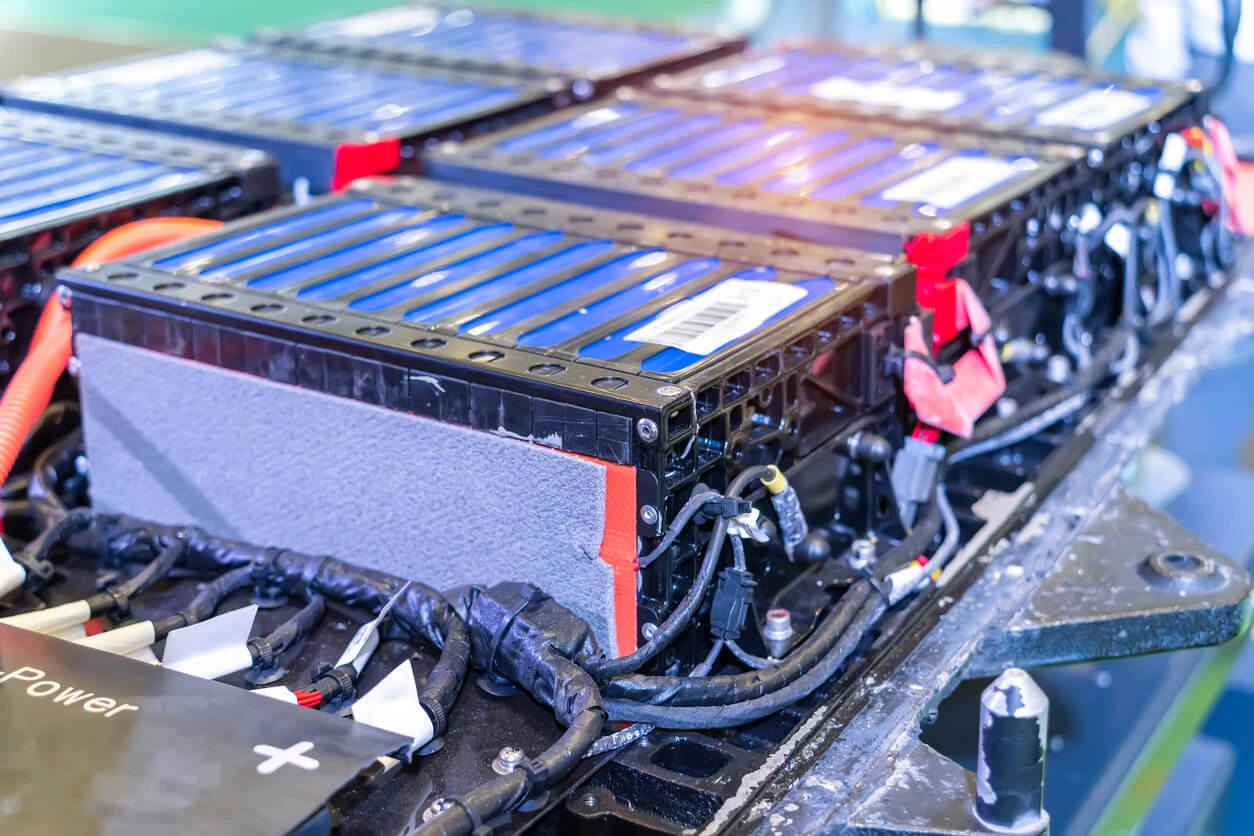
A BESS (battery energy storage system) stores electricity so it can be used later. A system can charge when power is available, hold that energy in batteries, and send it back out when another connected load needs it. This ability makes energy storage useful across many parts of the power system.
Battery energy storage is becoming more important as renewable energy and electrification expand. Solar and wind power can change with the weather and time of day. A BESS can store extra generation and make that energy available when production drops or demand rises. It can also help support the grid during peak periods and provide backup power during some outages.
BESS applications range from utility-scale projects to commercial and industrial sites.
To ensure safe, compliant, and optimal performance batteries need:
- Monitoring
- Maintenance
- Safe handling
- Documentation
- End-of-life planning
Renewance focuses on these needs to help maximize your battery’s value.
How Does a Battery Energy Storage System Work?
Charging, Storing, and Discharging Energy
A BESS works through three basic stages: charging, storing, and discharging. During charging, electricity enters the system and is stored in the batteries as chemical energy. The system holds that energy until it is needed. During discharge, the stored chemical energy is converted back into electrical energy and delivered to the connected equipment or power grid.
Most power grids and buildings use alternating current, or AC, while batteries store direct current, or DC. A power conversion system, often called a PCS or inverter, manages this exchange. It converts AC electricity to DC when the batteries charge and converts DC back to AC when the batteries discharge.
A complete BESS also relies on:
- Transformers
- Switchgear
- Controls
- Communications equipment
- Other supporting systems.
These components help move power safely, connect the BESS to the grid or facility, and control when energy should be stored or released.
Battery Monitoring and Controls
The battery management system, or BMS, tracks conditions inside the battery system. It can monitor state of charge, battery performance, temperature, and fault conditions. This information helps operators recognize changes that may point to a performance or maintenance issue.
The BMS works with broader system controls, including an energy management system, to support safe operation and decide when the BESS should charge or discharge.
What Are the Main Components of a BESS?
A battery energy storage system is a set of electrical, thermal, safety, and control equipment around the batteries. Cells are grouped into modules, and modules are arranged in racks or other larger assemblies that work together to store and deliver energy as designed.
Core BESS components include:
- Battery cells, modules, and racks
- Battery management and energy management systems
- Power conversion equipment or inverters
- HVAC or other thermal management equipment
- Fire detection and suppression equipment
- Transformers, switchgear, communications, and grid-interconnection equipment
Each part has a specific job, but the system must operate as one coordinated unit. Thermal equipment helps manage battery temperature. Safety equipment detects and responds to abnormal conditions. Inverters and transformers manage the flow and voltage of electricity. Control systems use system data to direct charging and discharging.
What Is BESS Used For?
Utility and Grid Applications
Utilities and energy developers use BESS technology for several grid needs. Energy storage can help integrate renewable energy by storing excess solar or wind generation for later use. It can also balance supply and demand, support grid frequency, and shift energy from one part of the day to another.
Energy shifting can support energy arbitrage. A system charges when electricity is less expensive or more available and discharges when prices or demand are higher. The value of a system depends on local rates, market rules, system efficiency, and operation.
Commercial and Industrial Applications
Commercial and industrial organizations can use BESS for peak shaving, demand management, onsite renewable energy storage, microgrids, and backup power. A facility can store electricity during lower-demand periods and discharge it when demand rises, which may reduce peak grid use and help control energy costs.
Sites with solar generation can store excess power instead of sending all of it to the grid. Microgrids can also use battery storage to balance local generation and loads. These applications can improve energy flexibility while giving organizations more control over how and when they use electricity.
Organizations That Use BESS
BESS projects involve:
- Battery manufacturers
- Integrators
- Owners and operators
- Utilities
- Energy developers
- Commercial or industrial organizations
Their roles differ, but all require responsible battery management.
Managing a BESS Throughout Its Lifecycle
BESS lifecycle management covers the work required from deployment through final disposition. Connecting commissioning, maintenance, and end-of-life planning can help owners and operators make better decisions over the life of the asset.
Installation and Commissioning
Correct installation and commissioning help establish a strong foundation for long-term system performance. Our team commission batteries as part of our field-service work across industrial battery applications.
Proper testing procedures as part of commissioning help identify communication faults, component issues, cooling problems, or other conditions before normal operation. Correcting them early can reduce later disruptions.
Operations, Maintenance, Diagnostics, and Repair
Once a BESS is operating, preventive and corrective maintenance help keep it available and reliable. Regular inspections can identify physical damage, loose connections, or other signs that need attention. Battery diagnostics provide a closer look at performance and can help technicians focus inspections where they are most needed.
Asset and Warranty Management
RenewanceServices™ supports industrial batteries through each stage of the lifecycle:
- Installation and commissioning
- Operations and maintenance
- Warranty and spares management
- Diagnostics and repair
- Decommissioning
- Collection
- Reuse
- Recycling
Connecting these services can reduce handoffs across the battery lifecycle.
Battery Safety, Storage, Monitoring, and Compliance
Safe Battery Handling and Storage
Industrial batteries require controlled handling and storage. Important factors include state of charge, temperature, and proper handling procedures. Battery teams also need training that matches the work they perform, especially when batteries are moved, serviced, stored, or prepared for transportation.
Compliance requirements vary by battery type, system design, location, and activity. Teams may need to follow:
- Fire-safety rules
- Electrical work practices
- Hazardous-material shipping requirements
- Site procedures
- Local requirements
Accurate records and trained personnel support day-to-day compliance.
RenewanceCenter™
RenewanceCenter™ provides specialized battery operations, warehousing, and logistics support. We operate a 56,000-square-foot Chicagoland facility designed to handle substantial customer battery inventory.
Maintaining battery state of charge during storage can help protect battery condition and prepare assets for future service, redeployment, or end-of-life processing. RenewanceCenter™ provides SoC maintenance along with related diagnostics and repair support. Technicians also receive training and certifications related to DOT HAZMAT shipping, NFPA 70E, and OSHA requirements.
RenewanceConnect™
RenewanceConnect™ is our company’s proprietary digital platform for industrial battery lifecycle management. This visibility connects battery data with service decisions. Operators can document status and performance, as well as plan maintenance or warranty actions. As batteries age, the same lifecycle record can support reuse, replacement, or recycling decisions.
BESS Decommissioning, Reuse, and Recycling
End-of-life planning should begin before a BESS reaches the end of service. Large battery systems cannot simply be removed and discarded like ordinary equipment. Decommissioning may require:
- A planned shutdown
- Battery collection
- Packaging
- Transportation
- Documentation
- Coordination with qualified reuse or recycling partners
Early planning gives owners time to review battery condition, identify reuse options, select qualified partners, and prepare transportation documents. It can also reduce delays when a system must be removed on a fixed schedule.
A clear end-of-life plan can also help manage liability. Records should show how batteries were removed, transported, reused, or recycled. Compliant logistics and responsible material recovery support environmental goals and the circular use of battery materials.
End-to-End BESS Lifecycle Support
We have commissioned and/or serviced more than 30 GWh of batteries, have over 2 GWh under long-term service agreements, decommissioned more than 350 MWh, and have more than 4,000 metric tons responsibly recycled. These services support safety and environmental stewardship across the BESS lifecycle.
If your organization manufactures, integrates, owns, or operates battery energy storage systems, contact Renewance to discuss support from deployment through end-of-life.